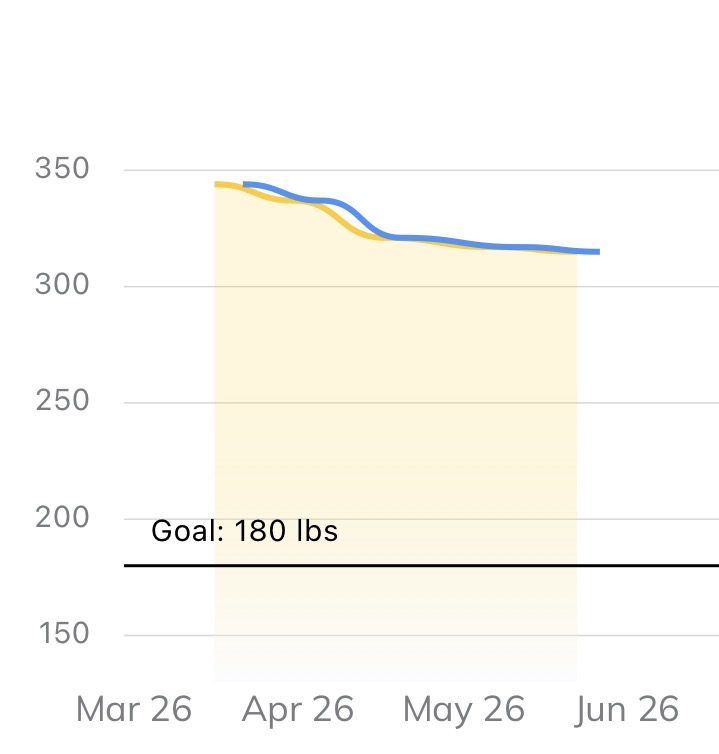
The above picture is a great testimony, not to my ability, but to the hard work of a previous client of mine who had great weight loss success. Topics around weight loss, as a trainer, coach, and medical professional, are extremely common. “What will help me lose weight” is one of the most common statements I get. Not a surprising statement when you consider that ~75% of people over the age of twenty are considered “overweight” from a BMI standpoint, according to most recent data from the NIH and CDC. I have always thought that the question should be, “how do I keep it off?” That’s because, in research and in everyday life, most people are at least somewhat successful at losing wight, if not very successful. The difficulty often lies in maintenance.
Almost everyone I meet is knowledgeable of what a calorie is (simplicity speaking), that being in a calorie deficit will result in weight loss, that they should “eat less and move more.” Many people who adopt dietary pattern changes lose weight. Talk to anyone who is overweight and I would almost guarantee that they have tried to lose weight before and they have been successful at different moments in time but were unable to maintain the loss. A major reason for this is the dietary pattern changes they made were not sustainable in their current environment.
This becomes apparent when you look at large studies or meta-analytic data comparing one dietary pattern to another and metabolic ward studies looking at differing macronutrient ratios with similar caloric deficits: no one dietary pattern and no macronutrient display superiority for weight loss maintenance in samples of people. Instead, the discussion sections of these papers highlight factors such as “inclusivity”, “palatability”, and “cultural fit” as predictors of adherence. No single dietary philosophy holds a metabolic monopoly on fat loss. I think this is why in the large DIRECT trial, where they looked at low-fat, low-carb, or Mediterranean dietary patterns, the Mediterranean pattern outperformed other patterns on adherence in the long term (24-months). It is less restrictive. A person may find themselves swapping white bread for higher fiber wheat bread, less processed sides for starchy root vegetables, and swapping rich butter for rich oils. This is generally easier to sustain than excluding whole macronutrients groups or creating rigid rules.
The dietary pattern changes must meet our environment, so the change is sustainable. The “dietary RPE” must be low and inevitably these factors must result in a hypocaloric state. The client mentioned above adopted a volumetric eating pattern, a diet focusing on large portions of high volume-low energy foods with a lower fat profile compared to diets such as the Mediterranean diet. I had a client who sustained weight loss for years on a low carb approach due to personal, environmental factors that worked for him. I have had clients be successful with weight loss by adopting Mediterranean style eating patterns with higher carbohydrate and higher USFA intakes. So, if you are in a weight loss season, look for tactics to decrease that dietary RPE, assess your environment, and change your dietary pattern for the long haul.

